

Skip hire in East Kilbride
- 01Choose a sizeCompare approximate capacities
- 02Check the accessPlan the route and placement
- 03Request a quoteTell NSH about your project
Start here
Arrange waste removal before the work starts
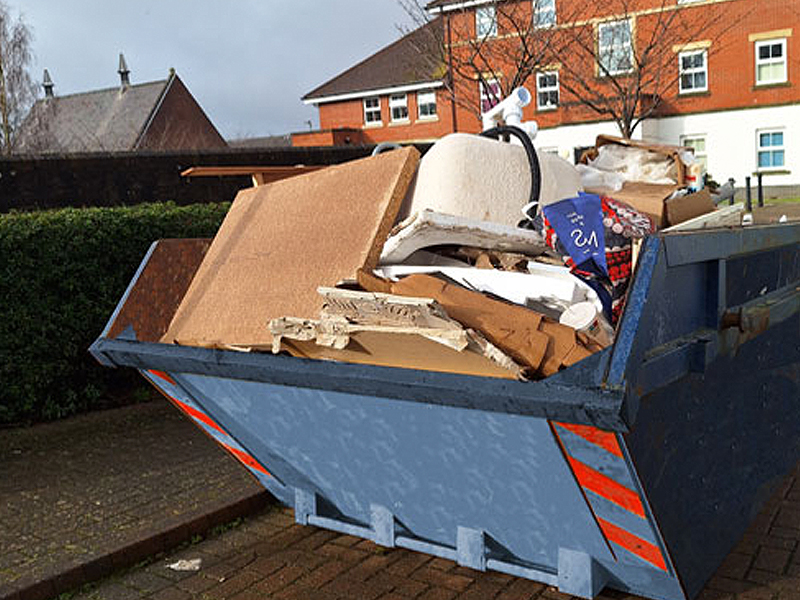
A kitchen replacement, house clearance or shop refit is easier to organise when the waste arrangements are settled early. Walk through the job and identify what will be removed at each stage. Note bulky items separately from bags and smaller materials so you can explain the likely load when choosing a skip.
For business premises, include ongoing customer access in that plan. South Lanarkshire Council’s town-centre update describes plans for homes and a Civic Hub at Centre West. If your work is in the town centre, check the access arrangements for your own premises before agreeing a position; redevelopment plans do not establish which route a delivery vehicle can use.
- 01
Clearing a home
Work through rooms, cupboards and storage areas before estimating the amount to remove. Keep belongings you intend to retain clearly separate.
- 02
Replacing fittings
Include both the old fittings and the waste expected as installation progresses. Tell us if several trades will use the same skip.
- 03
Refitting business premises
Identify who will oversee waste loading and how staff, visitors and neighbouring occupants will reach their entrances.
Skip sizes
Compare the four skip sizes
Compare the project examples and approximate bag capacities below. Describe both the amount and materials to NSH when choosing a size.
Confirm loading instructions before booking. These examples help with selection; they are not a complete list of everything a skip can take.
- 4yard
4-yard skip
About 40 bin bagsApproximate capacity
A compact option for builders and household projects such as garage clearances, carpets, furniture and smaller electrical items. It is also listed for soil, turf and rubble.
Suitable for
- General waste
- Garage clearances
- Brick rubble
- Mattresses
- Soil and turf
- Garden waste
- 6yard
6-yard skip
About 60 bin bagsApproximate capacity
A practical mid-sized option for builders and household projects, including kitchen and bathroom refits, smaller electrical items and house or garage clearances.
Suitable for
- General waste
- House clearances
- Kitchen renovation waste
- Bathroom renovation waste
- Garden waste
- 8yard
8-yard skip
About 80 bin bagsApproximate capacity
A larger option for builders and household projects such as kitchen refits, house extensions, garden projects and shop-fitting work.
Suitable for
- General waste
- House clearances
- Bulky waste
- Kitchen refit waste
- Garden waste
- Packaging
- 14yard
14-yard skip
About 140 bin bagsApproximate capacity
The largest listed option, intended for trade and domestic projects such as kitchen refits, house extensions, large garden projects and shop-fitting work.
Suitable for
- General waste
- Timber and flooring
- Bulky waste
- Packaging
- Garden waste
- Commercial waste
Bin-bag figures are approximate.
Access and placement
Check the property and delivery approach
Look beyond the space where you want the skip to stand. Check how a vehicle would reach it, where it would turn and whether parked cars, gates or overhead obstructions affect that route. Describe the actual entrance when you call, particularly where access is shared or the rear of a property is reached from another road.
The council’s conservation-area map list includes East Kilbride Village. For work at an older property, use the relevant map to check the boundary and confirm any planning requirements for the proposed alterations separately. This sits alongside the practical checks for access and skip placement.

- 01
Check the approach
Note narrow entrances, corners and obstacles before choosing a position. Explain any access issue with your quote request.
- 02
Allow for other users
Consider pedestrian routes, neighbouring doors and vehicles that still need to reach the property while work continues.
- 03
Describe the exact space
Explain whether the proposed position is on the property, in a shared area or on the road. Resolve uncertainty about permission before booking.
Waste details
Plan ahead for a skip on the road
South Lanarkshire Council requires permission before a builders skip is placed on a public road. Its roads permit guidance links to a road-status map and currently lists a 14-day notice period for skip permits. Check those requirements early if road placement is part of your plan.
Do not assume a parking space is available for a skip simply because you normally leave a car there. Establish the status of the ground, the proposed position and who will organise the necessary permission. Confirm the permit arrangements and the skip booking before committing the rest of the project to particular dates.

- 01
Establish road status
Use the council information to check whether the proposed space is part of the public road network.
- 02
Check the current conditions
Review the requirements for your position and planned dates. The notice period is not a promise that permission will be granted.
- 03
Agree the booking details
Tell NSH about the intended position and permit arrangements when discussing your skip enquiry.
Before delivery
Describe the waste as well as the project
List the materials your project will produce and flag uncertain items. Compare the list with the size guide, then confirm arrangements for your load with NSH.
Brief everyone using the skip on what has been agreed. Keep uncertain items apart and update your list if the project changes. Before collection, check for new obstacles on the approach.

- 01
Make an itemised list
Describe bulky pieces individually and name the other materials, rather than relying only on a total number of bags.
- 02
Check changes to the job
Raise additional materials before loading them, especially when another contractor starts a different stage of work.
- 03
Keep the work area clear
Organise the space around the skip so people can pass safely and loose waste does not spread beyond the working area.
Useful guidance
Check waste-handling responsibilities
Before handing waste over, use the official Scottish guidance to understand the checks relevant to your job. Householders and businesses have different responsibilities, so use the guidance that matches who produced the waste. Keep the information you need with your project records.
Registration checks concern the transporter and the work being arranged. SEPA provides a public register for checking authorisation documents; follow the official guidance when making those checks.
- 01
Household waste
The Scottish Government’s householder guidance explains safe storage and checking that a transporter is appropriately registered before waste is handed over.

Business and trade waste
Read the waste-producer guidance for how to describe waste and provide the relevant transfer information.

Check authorisation documents
Use SEPA’s transporting-waste information to reach the public register and the guidance for different transport activities.
Common questions
East Kilbride skip hire questions
Check the practical details before you book, then call NSH if your job, waste or access needs a more specific answer.
Which skip sizes does NSH offer?
What information will help with my quote?
Do I need permission for a skip on the road?
Can I use the bag figures to choose on their own?
What if the entrance is shared?
How do I enquire about my project?

Ready to discuss your job?