

Skip hire in Milngavie
- 01Choose a sizeCompare approximate capacities
- 02Check the accessPlan the route and placement
- 03Request a quoteTell NSH about your project
Start here
Plan the clearance around your project
Before taking out old fittings or emptying a property, decide what will stay and what needs to go. A room-by-room list helps you estimate the clearance without counting items you intend to keep. For a renovation, include the waste expected from later stages so your enquiry describes the whole job.
For commercial work, think about the people using the premises as well as the materials being removed. The council’s November 2018 town-centre strategy describes Milngavie’s variety of independent and specialist retailers. If you are refitting a shop, plan how staff and customers will get past the work and identify any entrance shared with neighbouring premises.
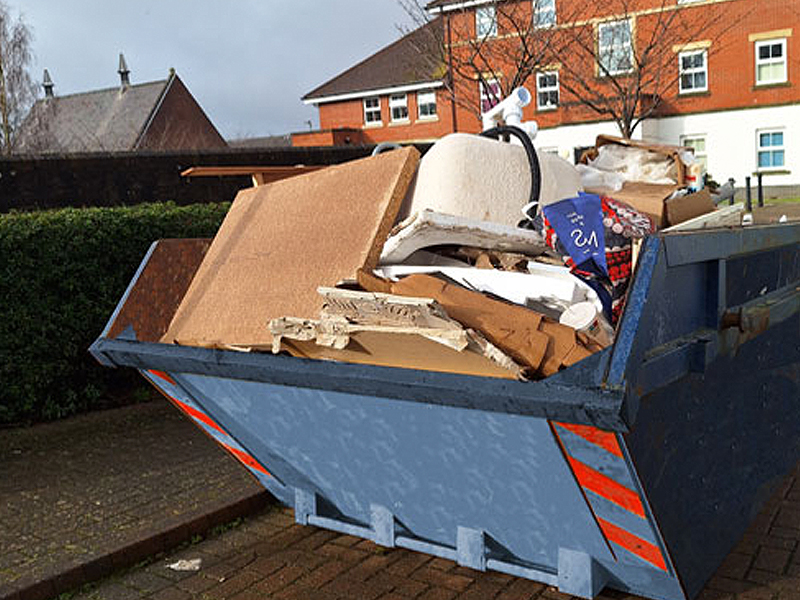
- 01
Home clear-outs
Separate items to keep from those for removal, then count furniture and other bulky pieces individually.
- 02
Renovation work
List the old fittings, offcuts and packaging you expect each stage of the work to produce.
- 03
Shop and business projects
Agree who will organise the waste arrangements and note when the premises need to remain accessible.
Skip sizes
Choose from four skip sizes
The size cards give you project examples and approximate bin-bag comparisons for NSH’s 4, 6, 8 and 14-yard skips. Use them to narrow the choice before calling, especially when you are deciding between a small clear-out and a larger refurbishment.
Describe the materials as well as the amount. Check the loading rules for your particular waste before booking; a capacity comparison alone cannot determine the right arrangement.
- 4yard
4-yard skip
About 40 bin bagsApproximate capacity
A compact option for builders and household projects such as garage clearances, carpets, furniture and smaller electrical items. It is also listed for soil, turf and rubble.
Suitable for
- General waste
- Garage clearances
- Brick rubble
- Mattresses
- Soil and turf
- Garden waste
- 6yard
6-yard skip
About 60 bin bagsApproximate capacity
A practical mid-sized option for builders and household projects, including kitchen and bathroom refits, smaller electrical items and house or garage clearances.
Suitable for
- General waste
- House clearances
- Kitchen renovation waste
- Bathroom renovation waste
- Garden waste
- 8yard
8-yard skip
About 80 bin bagsApproximate capacity
A larger option for builders and household projects such as kitchen refits, house extensions, garden projects and shop-fitting work.
Suitable for
- General waste
- House clearances
- Bulky waste
- Kitchen refit waste
- Garden waste
- Packaging
- 14yard
14-yard skip
About 140 bin bagsApproximate capacity
The largest listed option, intended for trade and domestic projects such as kitchen refits, house extensions, large garden projects and shop-fitting work.
Suitable for
- General waste
- Timber and flooring
- Bulky waste
- Packaging
- Garden waste
- Commercial waste
Bin-bag figures are approximate.
Access and placement
Check vehicle access to the proposed position
Identify the entrance a delivery vehicle would use, rather than relying only on the property’s postal address. The council’s October 2022 active-travel audit describes Milngavie’s pedestrianised town centre. For premises in or beside the precinct, check the current vehicle-access arrangements and any loading restrictions before proposing a skip position. A pedestrian route to the door does not establish vehicle access.
At a house, inspect the approach, gates and overhead space. At shared premises, identify the access other occupants need. Pass these details to NSH with your enquiry, including anything that could change while the project is under way.

- 01
Identify the entrance
Explain which approach leads to the proposed position, especially if the vehicle entrance differs from the front door.
- 02
Note obstructions
Look for tight turns, parked vehicles, cables, branches or structures that could affect the approach.
- 03
Keep shared routes usable
Account for neighbouring entrances, pedestrians and other deliveries when considering where a skip could stand.
Waste details
Check whether road placement needs a permit
A driveway and a road position have different requirements. East Dunbartonshire Council says a road skip needs a permit, while a driveway skip does not. If you cannot establish whether the proposed space is part of the road, confirm its status with the council before booking.
The council’s published conditions require an application at least seven days before occupation, accompanied by a plan or sketch. Read its skip-permit guidance for the current requirements. Include this step in your project planning and establish who will handle the application before agreeing dates.

- 01
Locate the space
Mark the proposed position clearly enough to distinguish it from nearby parking, footways or shared ground.
- 02
Allow for the application
Check the council’s notice period and conditions before relying on a road position for your project.
- 03
Confirm the arrangements
Make sure the proposed position, permissions and booking details agree before the skip is delivered.
Before delivery
Keep a clear waste list from start to finish
Use specific material names in your enquiry. For example, distinguish timber and packaging from furniture or garden material and identify any item you cannot describe confidently. The guide above gives project examples; confirm your own waste list and loading instructions with NSH before putting items in the skip.
Keep everyone working on the job informed about the arrangement. If another stage produces different materials, check those before adding them. Leave enough clear space around the working area for people to move safely and keep loose waste from spreading beyond it.

- 01
Flag uncertain items
Set aside anything that needs clarification so it does not enter the skip before you have checked it.
- 02
Update the project list
Note changes to the materials or amount of waste and raise them with NSH while planning the next stage.
- 03
Prepare the collection route
Keep the agreed approach available and move obstacles that have appeared during the work.
Useful guidance
Know your waste responsibilities
Waste arrangements need attention whether you are clearing your own home or organising work for a business. The Scottish Government publishes separate guidance for householders and waste producers. Use the relevant guidance to understand how to store waste, check a transporter and record a transfer.
SEPA’s waste-transport information also links to its public register. Check the appropriate records when arranging removal and retain the details relevant to your job.
- 01
For householders
Read the householder guidance on keeping waste safely and checking the transporter before handing it over.

For businesses and trades
The waste-producer guidance explains descriptions and transfer information for business waste.

Transporter information
Find the public-register route through SEPA’s waste-transport guidance.
Common questions
Questions about skip hire in Milngavie
Check the practical details before you book, then call NSH if your job, waste or access needs a more specific answer.
What sizes can I compare?
What should I include in a quote enquiry?
Can a skip go outside a town-centre shop?
How do I plan for a skip on the road?
Does the size guide cover every waste type?
How can I contact NSH?

Ready to discuss your job?