

Skip hire in Glasgow
- 01Choose a sizeCompare approximate capacities
- 02Check the accessPlan the route and placement
- 03Request a quoteTell NSH about your project
Start here
Start with the job and the available space
Begin with the work you are planning and the waste it is likely to produce. A flat clearance, kitchen refit, garden project and commercial strip-out can need very different capacities. Mention bulky, dense or unusual items when you enquire so the team can discuss a suitable option before you book.
Glasgow’s scale and housing mix make access worth checking early. National Records of Scotland’s latest settlement and locality release records 632,350 people in the Glasgow locality at mid-2020. Glasgow City Council also reports that more than 70% of the city’s homes are flats and tenements, often in blocks with multiple owners. For work at a flat, tenement or shared building, check the close, common access, parking and the space neighbours need to pass before proposing a position.
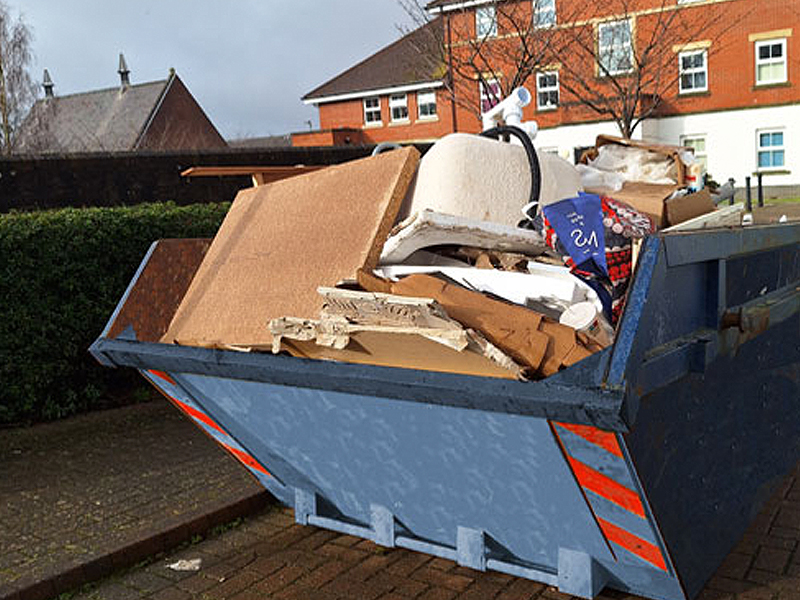
- 01
Describe the project
Explain whether you are clearing a property, renovating a room, working in the garden or managing waste from commercial work. List the main materials and ask about anything uncertain.
- 02
Walk the full access route
Check the approach from the road, including entrance width, gates, walls, parked vehicles, corners, low branches, cables and turning space.
- 03
Choose a practical position
Think about doors, communal paths, pavements and sight lines. The proposed space should remain clear for delivery, use and collection.
Skip sizes
Compare skip sizes for your project
NSH offers 4, 6, 8 and 14-yard skips. The approximate bin-bag figures below provide a straightforward capacity comparison, from about 40 bags for a 4-yard skip to about 140 bags for the 14-yard option.
Use the project examples to narrow the choice, then tell NSH exactly what you intend to load. These examples are not a complete list of accepted waste. Ask before booking if the work includes heavy, specialist or unusual material and confirm the loading rules for the option discussed.
- 4yard
4-yard skip
About 40 bin bagsApproximate capacity
A compact option for builders and household projects such as garage clearances, carpets, furniture and smaller electrical items. It is also listed for soil, turf and rubble.
Suitable for
- General waste
- Garage clearances
- Brick rubble
- Mattresses
- Soil and turf
- Garden waste
- 6yard
6-yard skip
About 60 bin bagsApproximate capacity
A practical mid-sized option for builders and household projects, including kitchen and bathroom refits, smaller electrical items and house or garage clearances.
Suitable for
- General waste
- House clearances
- Kitchen renovation waste
- Bathroom renovation waste
- Garden waste
- 8yard
8-yard skip
About 80 bin bagsApproximate capacity
A larger option for builders and household projects such as kitchen refits, house extensions, garden projects and shop-fitting work.
Suitable for
- General waste
- House clearances
- Bulky waste
- Kitchen refit waste
- Garden waste
- Packaging
- 14yard
14-yard skip
About 140 bin bagsApproximate capacity
The largest listed option, intended for trade and domestic projects such as kitchen refits, house extensions, large garden projects and shop-fitting work.
Suitable for
- General waste
- Timber and flooring
- Bulky waste
- Packaging
- Garden waste
- Commercial waste
Bin-bag figures are approximate.
Access and placement
Check the route and council requirements
Look beyond the final position and check the whole delivery route. Allow for parked cars, loading activity, controlled parking, narrow entrances and the access other people still need. For a common drive or shared area, agree a sensible position with the people who use it and keep essential routes clear.
If the skip will stand on a public road, check Glasgow City Council’s current process before agreeing project dates. Its online skip-permit route covers skips up to 8 cubic yards and directs longer or wider skips to a Road Occupation Permit route. The proposed position and the skip discussed can affect which route applies, so use the council’s latest information rather than assuming one application covers every option.

- 01
Check the approach
Measure the entrance and proposed position, then consider turning room, slopes, parked vehicles and any restrictions that could affect delivery or collection.
- 02
Check the council route
Use Glasgow City Council's current information if the skip cannot stay entirely on private land. Confirm which permit route applies to the proposed skip and position.
- 03
Keep shared areas usable
Plan around communal doors, paths, bin stores, driveways and access for neighbours or site staff. Explain any fixed restrictions when you request a quote.
Waste details
Explain what you need to remove
Give NSH a clear description of everything you expect to put in the skip. For a mixed load, name the main material types instead of relying on a broad phrase such as general rubbish. Point out heavy, awkward or unusual items and keep anything uncertain separate until the team has confirmed the right arrangement.
Accurate information helps with safe handling and Scotland’s controlled-waste duty-of-care requirements. Business customers may also need to consider their own responsibilities for waste descriptions and transfer information. If the job changes after booking and produces different material, contact NSH before loading it.

- 01
List the main materials
Mention furniture, timber, packaging, garden waste, renovation material and other distinct waste types when you request a quote.
- 02
Ask about uncertain items
Do not assume an item can go in the skip. Keep it aside and ask NSH before loading it.
- 03
Confirm loading limits
Ask about the loading and weight limits for the skip discussed, particularly when the work produces dense or heavy material.
Before delivery
Prepare the site for delivery and collection
Before delivery, clear the agreed route and placement area. Move vehicles and loose obstacles, open any gates and make sure the person responsible for the property knows where the skip should go. If the space is shared, coordinate with neighbours, residents or site staff beforehand.
Load the skip in line with the instructions confirmed for your booking. Keep the surrounding area tidy and do not let waste obstruct the road, pavement or shared access. Before collection, clear the route again and contact NSH if the waste, position or access has changed. Ask about current delivery, hire and collection arrangements when you request your quote.

Useful guidance
Check current waste guidance
The Scottish Government’s duty-of-care code explains why accurate waste descriptions, authorised transport and the correct transfer information matter.
SEPA provides a public service for checking waste carrier and broker information. Use its service if you want to make your own check. For practical questions about your Glasgow job, tell NSH what you are removing before booking.
- 01
Glasgow road permits
Check the council's current skip-permit and Road Occupation Permit information before placing a skip on a public road.

Scottish duty of care
Use the Scottish Government code when you need more detail about controlled-waste descriptions and transfer responsibilities.

SEPA public services
Use SEPA's current public register or successor service when you want to check waste carrier or broker information.
Common questions
Questions about skip hire in Glasgow
Check the practical details before you book, then call NSH if your job, waste or access needs a more specific answer.
What skip sizes can I discuss with NSH?
Do I need a permit for a skip on a Glasgow road?
How do I choose the right skip size?
What waste can I put in the skip?
What should I check before delivery?
When can my skip be delivered or collected?
How can I request a quote?
Ready to discuss your job?